Guide · updated July 2026
How to Start an Airbnb in 2026: The Realistic Guide
How to start an Airbnb in 2026: the realistic guide to listing, pricing, guest management and the software that automates the busywork.
You've seen the TikToks. You've heard the claims. And now you're wondering whether starting an Airbnb in 2026 is still a smart move or a fast way to lose money. This guide skips the hype and walks you through what it actually takes - real costs, real hours, real risks - so you can decide with clear eyes.
This guide is for aspiring Airbnb hosts, side hustlers, and anyone considering short-term rental income in 2026. With regulations and competition increasing, understanding the real requirements is more important than ever.
Key takeaways
Airbnb hosting in 2026 is still viable, but far from effortless. Expect 10–20 hours per week during your first three months and 5–10 hours per week per listing once you're stabilized. This is not a set-it-and-forget-it situation.
Your first step is always running the numbers with a tool like an Airbnb profit calculator and checking local laws - before you buy furniture, sign a lease, or tell anyone about your plans.
Realistic startup costs for a typical 1–2 bedroom US listing in 2026 fall between $4,000 (prices checked July 2026) and $18,000, depending on property condition and furnishings. The average cost to start an Airbnb business is around $6,000. Keep a 1–2 month cash cushion on top of that.
You can start an Airbnb business without owning property - through rental arbitrage, co-hosting, or managing for owners - but each path carries distinct legal and financial risks.
This article is not legal or tax advice. Local regulations for Airbnb vary by city and state. Talk to a qualified attorney or CPA before launching.
The essentials: what "starting an Airbnb" really means in 2026
If you're reading this, you've probably encountered two conflicting narratives: "Airbnb is dead" and "Airbnb is a goldmine." The reality sits somewhere in between, and the truth depends almost entirely on your location, your execution, and your willingness to treat this like a real business.
An Airbnb business means running a short term rental with working systems for bookings, guest communication, cleaning, maintenance, accounting, and compliance with local laws. It is not passive income in any meaningful sense. The initial Airbnb setup alone takes several full weekends. After that, you're fielding guest messages, adjusting pricing, coordinating with your cleaning company, restocking supplies, and handling the occasional 2 a.m. lockout call.
Is Airbnb still profitable? For well-run, well-located listings with realistic expectations - yes. Airbnb hosts typically generate a profit margin of 4 to 8% after all costs, and the average annual revenue per Airbnb unit is roughly $11,000. Some hosts do far better; others lose money. There are no guarantees.
What follows is a numbered Airbnb roadmap: seven core steps, a cost breakdown, common first-year mistakes, and a practical FAQ at the end.
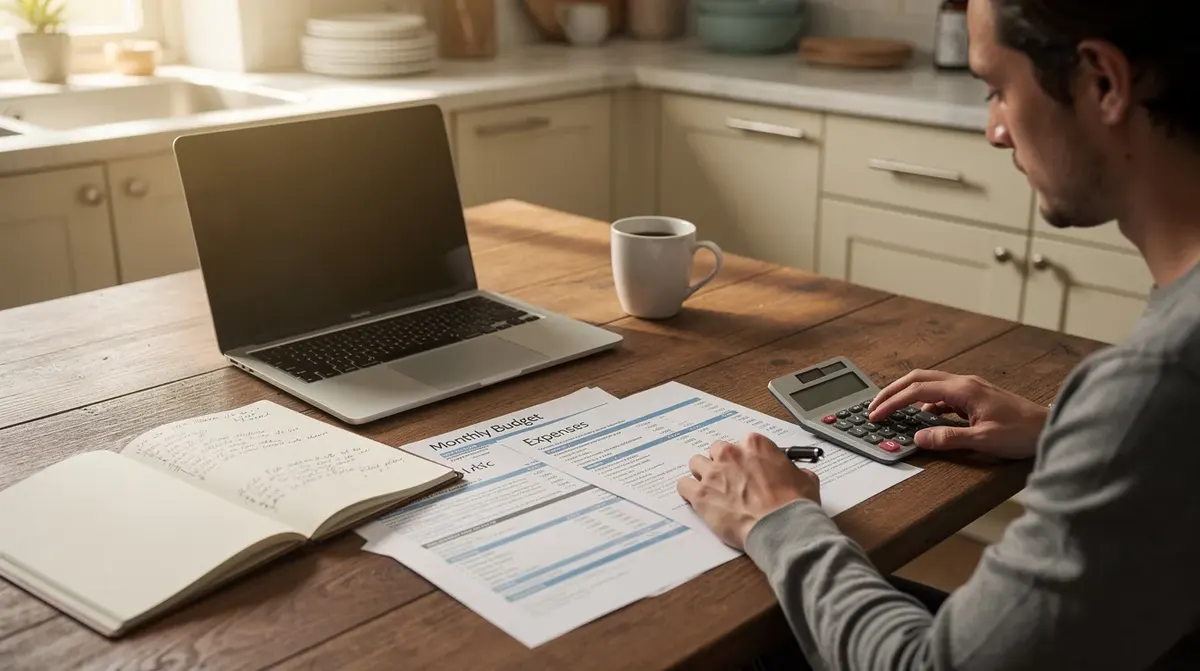
1. Run the numbers before you fall in love with a property
Most failed Airbnb hosts skipped this step or relied on optimistic social media claims instead of data. Don't be one of them.
The basic revenue formula is straightforward:
Expected nights booked per month × average nightly rate – all monthly expenses = estimated cash flow
Monthly expenses should include:
Rent or mortgage
Utilities
Internet
Streaming subscriptions
Insurance
Cleaning company or cleaner pay
Supplies
Platform fees (roughly 3–15%)
Local occupancy taxes
Maintenance reserve
Here's a worked example for a 2-bedroom in a mid-sized US city:
Scenario | ADR | Occupancy | Nights/mo | Gross Revenue | Expenses | Net Cash Flow |
|---|---|---|---|---|---|---|
Optimistic | $200 | 65% | ~20 | $4,000 | ~$2,900 | ~$1,100 |
Conservative | $180 | 50% | ~15 | $2,700 | ~$2,500 | ~$200 |
At $75 per night with decent occupancy, potential revenue can reach $18,000 annually - but that's gross, not net. Average daily rates guide competitive pricing decisions, so research what comparable properties in your market actually charge.
Use a dedicated Airbnb profit calculator to plug in your own inputs. Then sanity-check against real listings: search Airbnb for comparable properties in the same area, note their calendar availability, and study pricing patterns across seasons.
If your property only works under best-case assumptions - very high nightly rate and full occupancy - walk away or renegotiate the deal.
2. Check local regulations, zoning, and taxes (before you spend a dollar)
Understanding Local Laws
Local regulations for Airbnb vary by city and state, and understanding local laws is crucial for successful Airbnb hosting. Launching an Airbnb business requires understanding local regulations, and many cities require specific permits for Airbnb hosting.
Disclaimer: this section is informational only, not legal advice. Rules change frequently by city, county, and building.
What to research before spending anything:
Short term rental permits and registration requirements
Primary residence rules (some cities require you to live in the property)
Caps on the number of rental days per year
Zoning restrictions for your neighborhood
HOA or condo bylaws that may prohibit short term rentals
Fire and safety codes, including occupancy limits
Whether hosts may need to register their Airbnb as a business
Concrete example: New York City's Local Law 18 requires hosts to register with the Office of Special Enforcement and limits STRs to primary residences. Violations can result in civil fines up to $5,000 or revocation of registration. Failure to comply with local regulations can lead to fines - and in some cases, forced shutdown after you've already invested in setup.
Taxes: Transient occupancy taxes, state lodging taxes, and federal/state income tax implications all apply. Research zoning laws and permitting requirements to avoid fines.
If you're considering rental arbitrage - leasing a unit and subletting it on Airbnb - get explicit written permission from your landlord and verify that subletting for STRs doesn't violate lease terms or building rules.
For complex markets or multi-unit plans, speak with a local real estate attorney or CPA experienced in short term rentals.
3. Choose your entry path: own, rent, co-host, or manage
How to start an Airbnb business depends on your capital, risk tolerance, and available time. Here are the four main paths:
Path | Capital Needed | Control | Risk | Best For |
|---|---|---|---|---|
Own home / spare room | Low | High | Low | Testing if you enjoy hosting |
Buy a property | High ($20K+) | Full | High | Long-term equity building |
Rental arbitrage | Medium | Medium | Medium-High | Scaling without a mortgage |
Co-host / manage | Very low | Low | Low | Learning operations first |
Definitions:
Rental arbitrage allows hosting without owning property. Hosts using rental arbitrage can net $500 to $2,000 monthly through rental arbitrage, but you carry full rent risk if bookings drop or laws change. Expect that five to ten landlord conversations may be needed before one says yes. This is not a risk-free plan.
Co-hosting allows earning 10% to 20% of revenue from existing listings. Co-hosting for a property owner means very low capital but high time investment. Partnering with property owners can work well - you handle operations, they provide the space.
Your own home is the fastest, cheapest way to launch your first Airbnb. You're already covering the mortgage and utilities.
Buying an Airbnb property gives you full control and builds equity, but you're exposed to market shifts, regulatory changes, and carrying costs if bookings drop.
If you have very limited cash, seriously consider co-hosting or managing for an owner first to learn operations before signing leases or buying.
4. Build a lean but realistic Airbnb business plan
You don't need a 20-page document. But a concise business plan forces clarity and helps if you're seeking financing or a partner.
Key sections:
Target market and guest profile: Are you hosting traveling nurses on 30–90 day stays, or weekend couples in a mountain town? Clear targeting shapes everything from amenities to pricing.
Property strategy: Own vs. rent vs. manage, number of units, scale timeline.
Revenue and occupancy assumptions: Use both conservative and optimistic scenarios from your earlier number-crunching. Using market research tools can help analyze comparable properties and revenue potential.
Startup and ongoing costs: List everything, including a contingency fund.
Operations plan: Who handles check-in, cleaning, maintenance, and guest communication?
Set high-level goals: year one might be achieving positive cash flow with a 4.8+ average rating and 10–20 guest reviews. Year three could mean managing multiple properties with part-time involvement.
Revisit and update the plan after 3–6 months of real booking data. Treat it as a living document, not a fixed prediction.
5. Set up the property: safety, layout, and guest-ready basics
Safety Essentials
Guest safety and impeccable cleanliness are non-negotiable foundations for any Airbnb property. No amount of beautiful decor compensates for a missing smoke detector or a dirty bathroom.
Working smoke and CO detectors in every sleeping area
Fire extinguisher in the kitchen
First-aid kit
Clear emergency instructions posted visibly
Safe stair rails and local-code-compliant egress for bedrooms
Smart locks for guest convenience and security
Insurance
Standard homeowners insurance usually does not cover short-term rentals. It is important to secure specialized short-term rental insurance before your first guest arrives.
Layout and Functionality
Walk the space as if you're arriving at 11 p.m. after a long flight. Can you find the door, locate the Wi-Fi password, and grab an extra towel without opening six cabinets? Keep surfaces uncluttered, label storage where helpful, and choose durable furniture over fragile pieces.
Cleaning Standards
Impeccable cleanliness is critical for achieving high guest satisfaction. Whether you hire a cleaning company or handle turnovers yourself, set a detailed checklist covering bathrooms, kitchens, and linens. Three full linen sets per bed optimize operations - one on the bed, one in the wash, one ready to go.
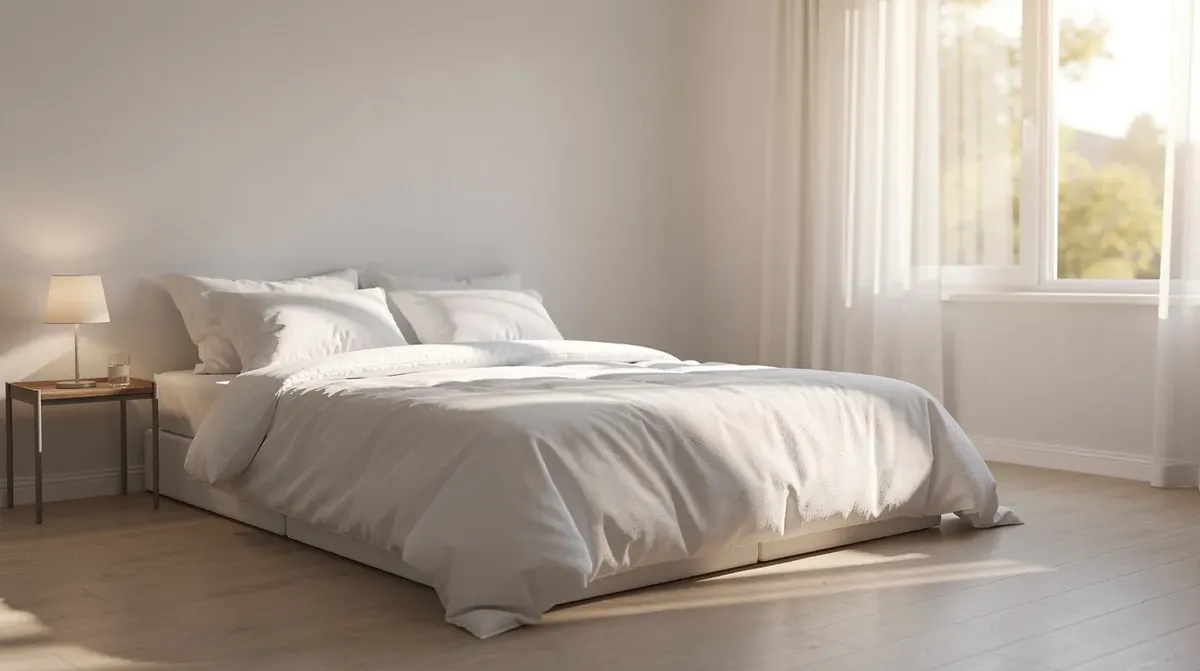
6. Furnish and design for five-star functionality, not Instagram only
Priority Budget Allocation
Design matters for clicks and more bookings, but comfort and durability drive repeat stays and positive guest reviews. Quality bedding directly impacts guest reviews - spend here first.
60% on what guests touch daily: mattress, linens, seating, dining chairs
25% on functional items: kitchen equipment, lighting, blackout curtains
15% on decor and staging
Realistic Furnishing Costs
Realistic 2026 furnishing costs for a US listing:
1-bedroom (starting mostly empty): $3,000–$7,000 mid-range
2-bedroom (fully empty): $8,000–$18,000 depending on quality level
Interior Design Tips
Interior design should reflect a unique aesthetic, but match furniture quality to your expected nightly rate. A budget listing needs simple, cohesive pieces - not cheap furniture that breaks after three months. A premium listing warrants curated details and higher-end finishes.
Essential Amenities
Essential amenities modern guests expect:
Fast Wi-Fi
Streaming-capable TV
Well-stocked kitchen (crucial for longer stays)
Hairdryer
Iron
Workspace if targeting business or remote workers
Hosts inspired by creators like Brittany Wenninger or the Airbnb Roadmap podcast should learn from their functional staging tips rather than copying expensive looks blindly. Small details can make or break guest reviews - think wine glasses in the cabinet, quality towels, and a coffee station that actually works.
Avoid overly fragile decor, oversized furniture that makes rooms feel cramped, and complex smart-home setups guests can't easily operate.
7. Create a listing that actually converts browsers into bookings
Photography
In crowded markets, your Airbnb listing page is your sales page. High-quality photos significantly affect occupancy rates - this is where to invest.
Shoot in natural light
Show every room, the exterior, parking, and any standout amenities
Budget $150–$400 for a professional photographer, or use a modern smartphone with careful staging
A first listing with dark, blurry photos will get scrolled past regardless of how nice the space is.
Title and Cover Photo
Your title should highlight 2–3 concrete benefits (location, unique features, guest type). The cover image should showcase the space's best angle.
Description Essentials
Who the place is ideal for
Clear sleeping arrangements
Any quirks (steep stairs, street noise, shared entrance)
Parking details
House rules expectations
Creating clear house rules can reduce misunderstandings and negative reviews. Be honest - better to under-promise and over-deliver than invite bad guest reviews from misleading descriptions.
Instant Book
Many new hosts enable it early to increase visibility. Protect yourself with solid house rules and screening questions. Positive reviews are essential for the success of an Airbnb listing, and getting those first bookings flowing matters.
8. Price it right from day one (and keep adjusting)
Three Pillars of Pricing
Don't blindly accept Airbnb's default suggested price or copy the top listing in your area without context.
Break-even floor: Know your minimum nightly rate to cover monthly expenses
Value alignment: Match guest perception of what your space is worth
Demand response: Adjust for seasonality, day of week, and local events
Seasonal trends significantly impact Airbnb pricing strategies. Market-based pricing aligns your rates with local competition, so check comparables regularly - filter for similar guest count, property type, and neighborhood.
Launch Strategy
Start slightly under comparable listings for your first 5–10 bookings to build reviews and momentum. Then gradually raise rates if demand supports it. Avoid high prices during slow periods - empty nights earn nothing.
Using dynamic pricing tools can maximize revenue by adjusting rates based on demand. Using tools like AirDNA helps optimize your pricing strategy. Airbnb's Smart Pricing is another option, but always set minimum rates to avoid underpricing.
Key performance metrics to monitor:
Occupancy rate
Average nightly rate
Revenue per available night
Track these monthly and adjust pricing rules at least once per month based on actual performance.
9. Set up your operations, systems, and tools (before your first guest)
Operations determine whether hosting feels like a well-run side business or a chaotic full time job. Get this right before your first guest arrives.
Core Operational Components
Guest communication (booking confirmations, pre-arrival info, checkout reminders)
Check-in and access (smart locks, digital keypads, or lockboxes)
Cleaning and laundry workflow
Restocking supplies
Maintenance and emergency handling
Key Tool Categories
Messaging automation and channel managers - see our roundup of the best software for small Airbnb hosts for specific recommendations
Smart locks and digital keypads for self-check-in
Dynamic pricing tools (PriceLabs, Wheelhouse, Beyond)
For automating routine tasks like check-in messages and review reminders, our Airbnb automation guide walks through the setup process step by step.
Working with Cleaners
Set detailed cleaning checklists
Request photo proof of turnovers
Build flexibility for schedule changes
Hospitality-specific cleaners understand the difference between "clean" and "guest-ready."
House Manual
Create a simple house manual - digital or printed - covering:
Wi-Fi credentials
Appliance instructions
Local contacts
Trash rules
Checkout expectations
This cuts repetitive guest messages significantly.
It is beneficial to continually update listings and improve guest experiences based on feedback. Proactive communication can protect your reviews - most issues are preventable with a quick message at the right time.
Plan your own time honestly. Decide early which tasks to delegate to a co host or virtual assistant as the business grows.
10. Launch, host your first guests, and earn your first reviews
Launch week feels like this: you flip the listing to "active," double-check your early prices, and wait. Then the first booking notification hits, and it gets real.
Proactive Communication Matters
Send a friendly message right after booking
Share a detailed pre-arrival message with check-in instructions
Check in after the first night to catch issues early
Early mistakes are inevitable. A missing kitchen utensil, a slightly dusty shelf - handle them transparently. Quick fixes plus sincere apologies can still result in five star reviews. Letting emotions drive your response to complaints, on the other hand, almost never helps.
Five-star reviews are crucial for new Airbnb hosts. Early ratings strongly influence your listing's ranking and conversion rate. Ask happy guests for honest reviews - most will leave one if you simply remind them.
Track your first 10–20 stays carefully. Note common guest questions, small repairs needed, and which amenities get used most. Feed those insights back into listing edits and operations.
After your first month, run a debrief: review earnings vs. projections, cleaning costs, and hours worked. Decide whether to tweak the business plan, pricing, or even guest targeting. Superhost status can increase guest confidence and visibility on the platform - it's a worthwhile goal once you have enough stays under your belt.
11. How much does it cost to start an Airbnb in 2026?
Costs vary widely by location, but here are honest US-based 2026 ranges so you can avoid surprise expenses.
Startup Cost Categories
Furnishings and decor
Safety and access (locks, detectors, exterior cameras if allowed)
Photography ($150–$400)
Legal and licensing (under $100 to several hundred dollars depending on your city)
Initial supplies and linens
Small repairs and handyman work
Three Scenarios
Scenario | Estimated Cost |
|---|---|
Spare room in furnished home | $500–$2,000 |
Converting a long term rental apartment | $3,000–$8,000 |
Empty 2-bedroom house, full Airbnb setup | $7,000–$20,000+ |
The average cost to start an Airbnb business is roughly $6,000, but your actual number depends on what's already in place.
Cash Cushion: Keep a cash cushion: at least 1–2 months of all-in expenses (rent/mortgage plus utilities and cleaning) reserved for slow seasons or unexpected issues. Don't sink all your cash into decor. Reserve budget for professional help where it matters most - safety, cleaning, and a quality bed that earns great guest experience reviews.
Some startup costs like licenses, permits, and fire inspections are driven by local laws and can surprise you. Check before you budget.
12. Managing money: bank accounts, taxes, and basic bookkeeping
Treating hosting like a real business from day one - even for a single room - prevents confusion at tax time and helps you track whether the airbnb business is actually making more money or just moving it around.
Opening a separate bank account is recommended for tracking income and expenses. Clean separation means simpler bookkeeping and easier conversations with lenders or partners down the road.
Common Entity Choices
Sole proprietor (simplest, no extra paperwork)
LLC (forming a business structure such as an LLC can protect personal assets and offers potential tax planning benefits)
Don't take this as legal advice - consult a professional for entity and liability decisions specific to your state.
Records to Keep
Invoices for furnishings and supplies
Utility bills
Cleaning invoices
Maintenance receipts
Platform payout reports
Mileage logs
Airbnb often collects and remits some occupancy taxes automatically in many jurisdictions, but hosts are still responsible for reporting income and other applicable taxes at federal and state levels.
Start with a simple spreadsheet. Upgrade to bookkeeping software as you add more listings or bring on a co host.
13. Common first-year mistakes (and how to avoid them)
Most painful Airbnb stories in host communities come from a handful of repeatable mistakes, not bad luck. Here's what to watch for:
Ignoring local regulations and getting shut down. Some hosts invest thousands in setup only to discover their city requires permits they never applied for. Research first, spend second.
Underestimating cleaning and laundry workload. Turnovers take more work and coordination than most new hosts expect. Hire a reliable cleaning company early - the cost pays for itself in guest reviews.
Overpricing in low season and sitting empty. Fewer bookings at high prices almost always loses to more bookings at reasonable rates. An empty night earns zero.
Responding defensively to guest complaints. The urge is understandable, but emotional responses to negative feedback tank your ratings. Stay professional.
Failing to screen for property fit. Noise-sensitive neighbors, septic limits, thin walls, limited parking - these issues don't show up in your excitement, but they show up in guest reviews.
Trying to manage everything manually. Without simple automation tools, hosting becomes quite a bit of more work than it needs to be. Automate what you can.
A cautionary scenario: A host decided to pursue rental arbitrage without a solid lease addendum. After three months of bookings, the landlord discovered the STR activity, and the host faced eviction and lost their entire Airbnb setup investment. Always get written permission - verbal agreements won't protect you.
Learning from experienced local hosts - via meetups, podcasts like Airbnb Roadmap with Brittany Wenninger, or online communities - can shorten the learning curve and help you stay competitive in a tightening market.